October 26, 2026
Brakes are a crucial component of any vehicle, ensuring not only the safety of the driver but also the proper functioning of the vehicle as a whole. However, when brake problems arise, they can have a cascading effect, impacting various other components of the car. This article explores the extensive ways that brake issues can ripple through a vehicle's system, potentially causing a series of malfunctions. Understanding these complex interactions underscores the importance of regular maintenance to ensure vehicle safety and integrity. Early detection and repair can prevent a slight brake issue from escalating into a full-blown operational hazard.
Ensuring that brakes are in optimal working condition is a preventive measure that pays off in the long run by minimizing risk and maximizing efficiency. A proactive approach to brake maintenance can prevent costly repairs and dangerous situations. The following sections delve into how brake issues can specifically burden various vehicle systems, encouraging a more holistic view of automotive health. Given the importance of each interconnected system, neglecting brake issues can have widespread ramifications. Understanding these aspects is crucial for ensuring both vehicle longevity and driver safety.
1. Increased Wear and Tear on Steering Components
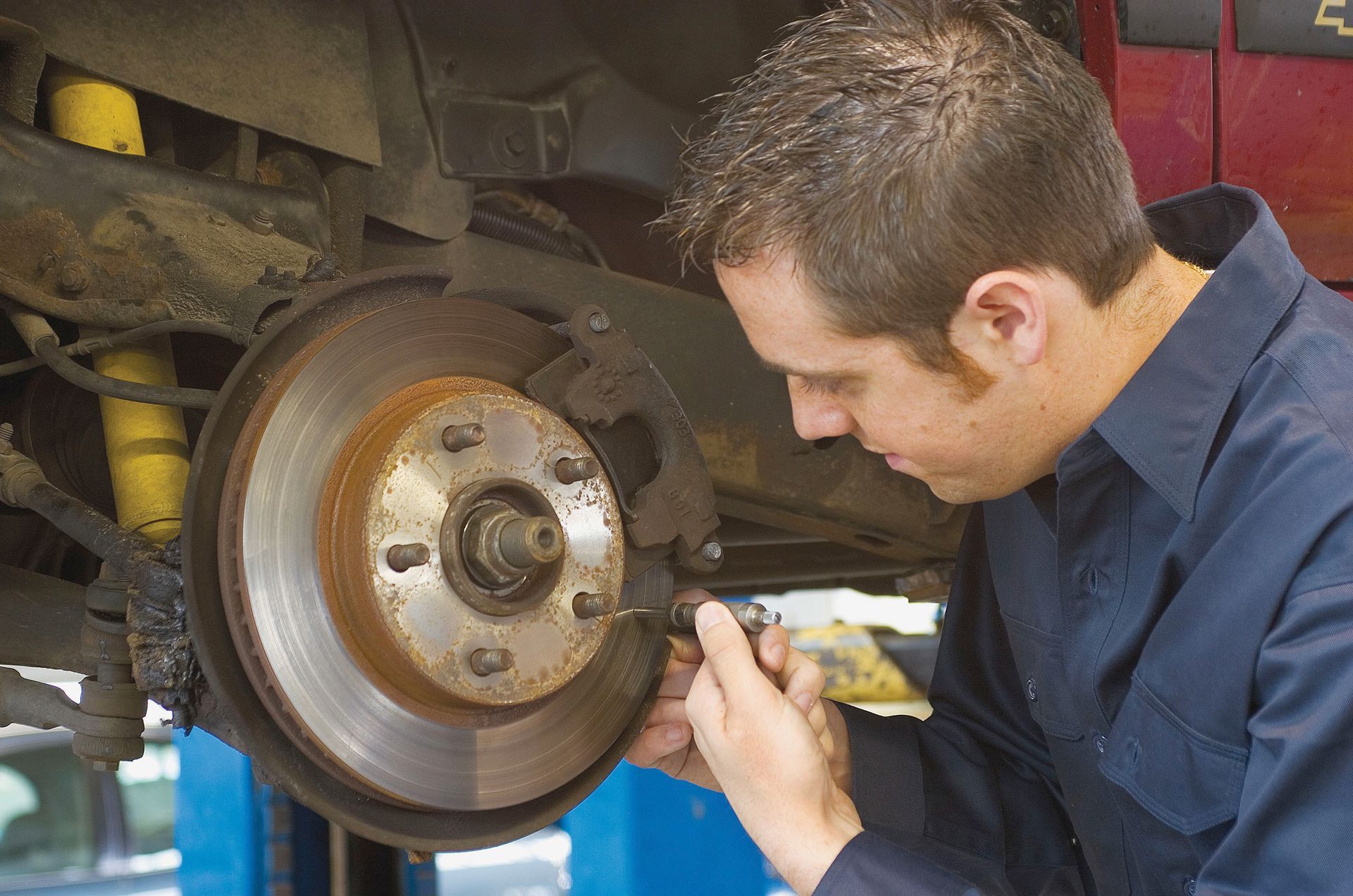
Brake problems often translate into increased wear and tear on steering components. When braking is uneven or fails to meet standards, the steering system may have to compensate for the imbalance. Over time, this can place additional stress on steering shafts and linkages, accelerating wear. It is not unusual for ball joints and tie rods to also bear the brunt of such stress, leading to premature wear. Scheduling routine check-ups through local brake services can identify this increased wear early, ensuring underlying mechanical issues are resolved before recurring damage sets in.
The strain induced by brake issues can cause steering components to deteriorate, affecting the vehicle's handling. For a driver, this might mean less precise steering and a potential safety hazard, especially in emergency situations. Without timely intervention, steering efficiency declines, and the vehicle can become difficult to control. As steering precision is crucial for safe driving, ensuring that brake systems are functioning optimally can prevent such scenarios. By ensuring that each component is in good condition, a driver maintains optimal steering capacity.
Moreover, the financial implications of neglecting these problems can be significant. Repairing or replacing damaged steering components can be costly, especially if the damage is extensive. Drivers should be vigilant and proactive about any changes in steering responsiveness. According to YouGov, a global research data and analytics group, over 50% of U.S. car owners don't personally perform any vehicle maintenance tasks, which can exacerbate such issues. Relying on professional local brake services can help address potential brake-induced steering problems before they escalate.
2. Misalignment Issues Due to Uneven Braking
Uneven braking can cause severe misalignment issues within a vehicle. The wheels and steering components are interconnected, and any discrepancy in brake force can create a pull on the steering wheel. This pull is not just a minor inconvenience; it can lead to a struggle to maintain a straight trajectory, affecting road safety. Misalignment not only causes steering problems but can also lead to further mechanical issues in a vehicle. This misalignment can significantly impact driving comfort and control, making it imperative to address brake issues promptly.
When brake-related misalignment becomes pronounced, it becomes harder to control the vehicle, placing additional stress on suspension components. It's crucial to realign wheels regularly to ensure optimal performance and safety. A professional evaluation can determine whether brake performance is contributing to ongoing misalignment issues. Turning to trusted local brake services confirms that both braking and wheel alignment remain in sync, enhancing the vehicle's overall efficiency and preventing misalignment issues from leading to severe complications.
The economic impact of misalignment can be substantial. Not only does it wear down tires unevenly, leading to premature replacement, but it can also fuel further mechanical malfunctions. Every component in a vehicle is designed to work in harmony, and misalignment disrupts this balance. By realigning a vehicle, drivers can restore stability and comfort while driving. Ensuring proper alignment through reputable local brake services may seem simple, but it is essential for restoring stability and preserving vehicle safety.
3. Uneven Tire Wear Patterns
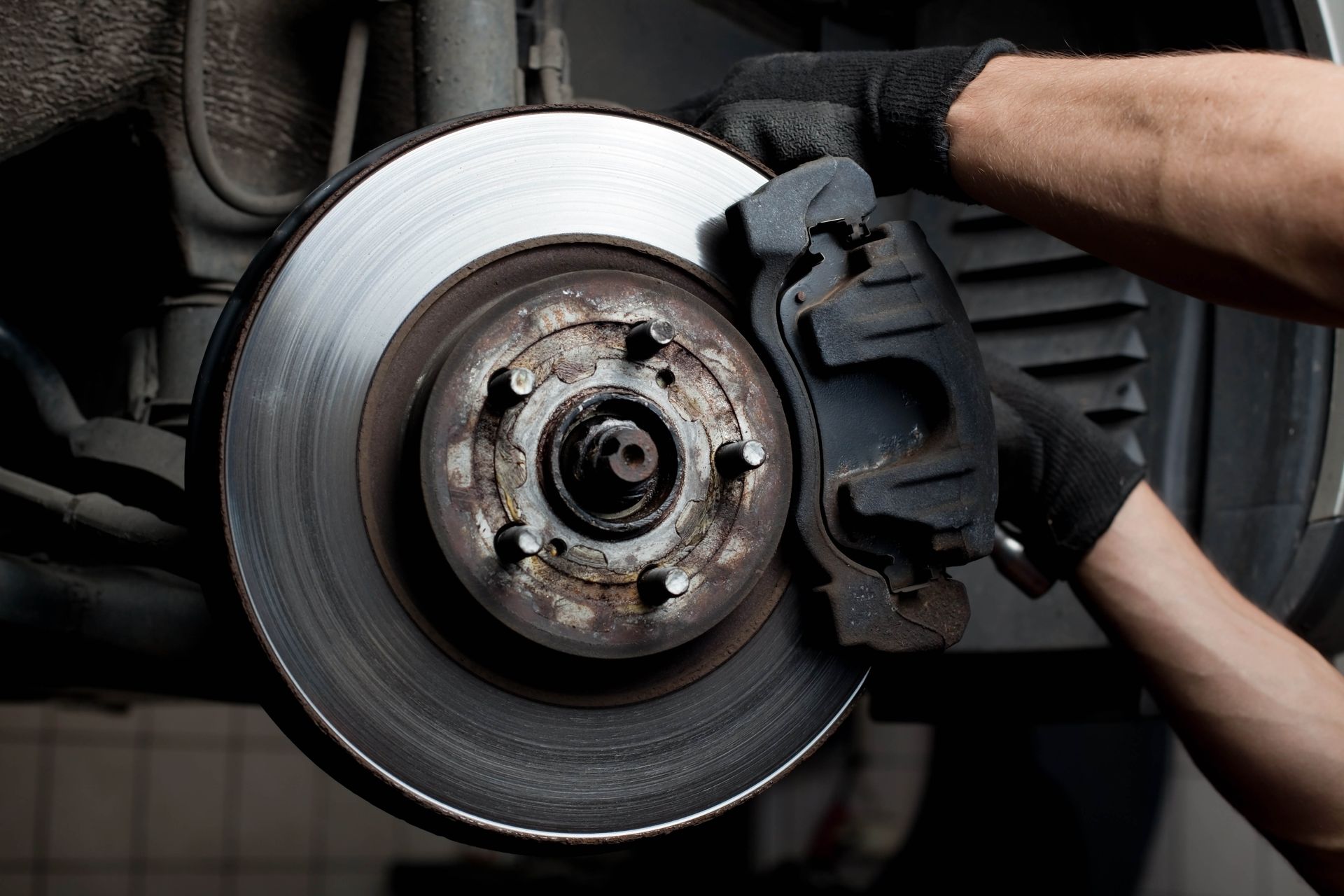
Brake problems directly contribute to uneven tire wear patterns, significantly affecting tire lifespan. Uneven braking forces result in tires wearing down at different rates, which compromises road stability. Properly balanced brakes help in maintaining uniform tire contact, extending their usable life. Routine evaluations through local brake services can save substantial costs by prolonging tire lifespan, correcting uneven friction, and optimizing vehicle performance. Addressing underlying brake issues is key to preventing irregular wear and achieving consistency in how the tires tread.
When tires are subjected to uneven forces, their structural integrity is often jeopardized. The resulting imbalance can make driving uncomfortable and dangerous, especially at higher speeds. Ensuring brakes apply equal pressure prevents uneven tread wear and reduces the risk of hazards. Regular inspections of brake systems therefore play a critical role in ensuring balanced tire conditions. A proactive stance not only sustains tire quality but enhances the driving experience for vehicle owners.
Given the expense associated with frequent tire replacement, maintaining balanced braking is a vital economic consideration. By minimizing the occurrence of uneven wear, drivers reduce the need for costly premature replacements. Addressing the root of the problem—in this case, brake imbalance—leads to sustained tire health. With better tire management through specialized local brake services, drivers can ensure efficient, cost-effective vehicle operation while reinforcing broader automotive reliability.
4. Compromised Traction and Grip
Compromised traction and grip are among the more hazardous effects resulting from brake problems. When braking pressure isn't evenly distributed, it affects a tire's ability to maintain essential contact with the road. Compromised traction poses risks not only to safety but also to vehicle handling. Securing professional local brake services ensures even hydraulic pressure, safeguarding road performance and preserving critical tire grip across various driving conditions.
Effective traction is integral to vehicle stability, particularly under adverse weather conditions. This stability is threatened when brake-induced inconsistencies affect a vehicle's tire grip on the road. Addressing brake concerns maintains safe driving dynamics, ensuring tires retain their vital traction role. Proper maintenance prevents unnecessary risks in handling and control while preserving overall vehicle safety. With optimal brake function, a tire's grip—and, correspondingly, the owner's safety—remains assured.
When vehicles lose traction, control is significantly impaired, increasing risks related to both accidents and mechanical damage. Prevention comes through consistent local brake services that assure optimal tire-road interaction, helping drivers in challenging climates maintain dependable traction and safety. Addressing traction issues, therefore, equates to asserting control over uncontrollable conditions, such as ice or heavy rain. Ultimately, reliable brakes preserve grip integrity and maintain safe driving conditions.
A vehicle's braking system does not operate in isolation; it serves as a foundational anchor for the entire mechanical ecosystem. When braking forces become uneven or compromised, the resulting strain quickly ripples through surrounding assemblies—accelerating wear on steering linkages, disrupting wheel alignment, and causing premature, irregular tire degradation. Beyond the financial burden of compounding repairs, degraded brakes directly threaten driving stability by diminishing traction and control during critical maneuvers or adverse weather conditions. Prioritizing routine brake inspections and addressing minor irregularities early protects the vehicle's interconnected components, preserves handling precision, and ensures safe, dependable performance on every drive—contact Zeisler Automotive today to schedule your comprehensive brake inspection and keep your vehicle operating at peak safety.