August 25, 2026
Tire and brake systems are essential components of any vehicle, ensuring optimal safety and performance on the road. Regular maintenance of these systems not only prolongs their lifespan but also enhances the safety of the vehicle's occupants. Let's take a moment to delve into the crucial role that tire and brake repairs play in maintaining vehicle safety and preventing accidents.
Addressing Tire Treads
The tread of a tire is fundamental in determining the vehicle's grip on the road, directly influencing safety, especially in adverse conditions. A well-maintained tire tread provides traction, minimizing the risk of skidding and hydroplaning on wet surfaces. It is crucial to monitor tread depth regularly to ensure it meets safety standards and prevents potential accidents. Proper tread also contributes to efficient water evacuation, an essential factor during rainy conditions. Therefore, maintaining optimal tread levels enhances safety and ensures a smoother driving experience.
Besides safety, tread condition can affect overall vehicle performance and efficiency. Adequate tread ensures optimum rolling resistance, translating to better fuel economy and reduced tire noise. The type and design of the tire tread can also optimize the driving experience in diverse terrains, from city pavement to rugged off-road trails. Selecting the right tires for specific driving conditions can maximize both performance and safety. Understanding these dynamics emphasizes the critical role that tire treads play in maintaining vehicle safety standards.
Ensuring Vehicle Control
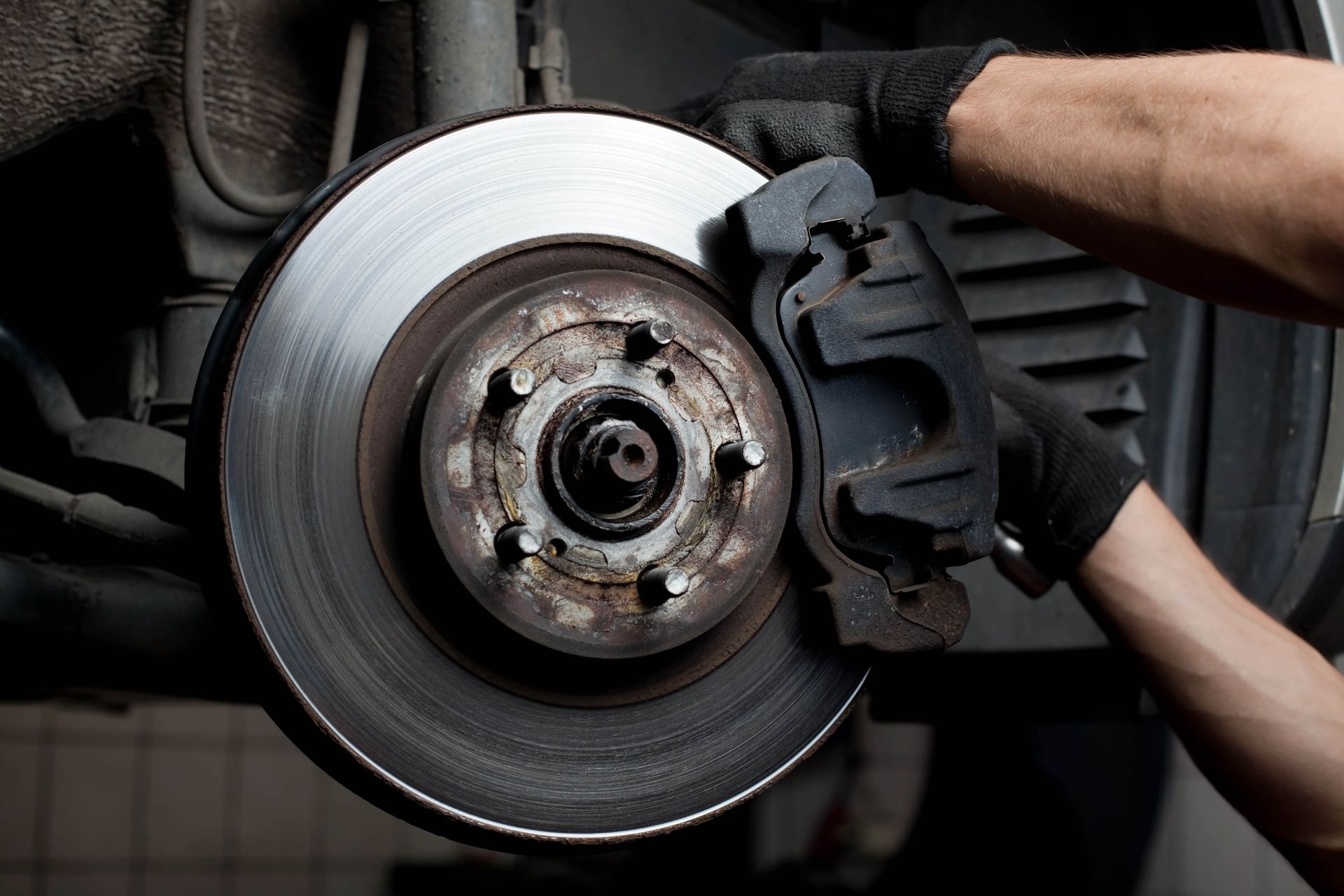
Brakes play a pivotal role in maintaining control over vehicle speed and ensuring the safety of drivers and passengers. A properly functioning brake system can adjust speed seamlessly, enabling the driver to navigate obstacles or avoid collisions. Brakes are especially critical during emergency situations, where rapid deceleration is necessary for preventing accidents. The system relies on hydraulic and mechanical components working in harmony to deliver reliable stopping power. By ensuring these elements are in optimal condition with brake repairs, drivers can maintain control of their vehicle under varying conditions.
Regular maintenance of the brake system helps safeguard its components from wear and potential failure. This includes checking brake pads for thinning and ensuring fluid levels and quality are adequate. Continuous use naturally wears down brake components, necessitating periodic inspections by certified technicians to diagnose early signs of wear. Timely intervention can prevent more extensive damage and costly brake repairs. Hence, brake system checks form an integral part of regular vehicle servicing.
Advancements in brake technology have further enhanced safety and vehicle control. Innovations like anti-lock braking systems prevent wheel lockup, allowing drivers to maintain steering control during hard braking. Modern brake systems also incorporate electronic brake-force distribution, optimizing braking force between wheels. These technological improvements have resulted in more efficient braking performance and improved overall vehicle safety. Drivers must stay informed about these advancements to make educated decisions about brake system upgrades and maintenance.
Solving Common Issues With Tires and Brakes
Tire and brake systems are subject to considerable wear and tear, and certain common issues can arise that warrant attention. Tire problems often include uneven wear patterns, which can indicate alignment issues or imbalanced wheels. Tire punctures and leaks can lead to rapid deflation, posing a significant safety risk. Additionally, according to the National Highway Traffic Safety Administration, underinflated tires by 25% can reduce tire tread life by approximately 25%. Regular inspections can help catch these issues early, minimizing potential hazards and preventing costly damage. Addressing tire issues promptly ensures that the vehicle operates safely and efficiently.
Similarly, brake systems also encounter some typical problems that require vigilant monitoring. Symptoms like squeaking or grinding noises may indicate worn-out brake pads or damaged rotors. A spongy brake pedal can be a sign of air within the hydraulic system, potentially compromising braking power. Ensuring that brake components are in good working condition involves regular checks and timely replacements to avoid system failure. Preventing issues with brake repairs is crucial for maintaining reliable stopping power and vehicle safety.
Another common problem affects both systems: neglecting routine maintenance leads to progressive deterioration over time. Without regular checks, small issues can escalate into major repairs, increasing long-term costs and decreasing safety. Preventive maintenance strategies, such as tire rotation and brake inspections, uphold safe operational standards while extending part longevity. Focusing on regular upkeep not only guards against unexpected failures but also provides peace of mind for vehicle owners. Understanding these common tire and brake issues underlines the importance of consistent maintenance routines.
Detecting Early Signs of Wear
Early detection of wear signs on tires and brake systems is critical in preventing more serious issues and ensuring vehicle safety. Visible tire tread wear patterns can reveal underlying problems such as misalignment or imbalanced tires. Changes in driving experience, such as pulling to one side or vibration, may indicate alignment or balancing issues requiring professional attention. For brakes, unusual noises like squealing may signal thinning brake pads, while a spongy pedal could suggest fluid defects. Identifying these signs early and addressing them promptly ensures safety and minimizes repair costs.
Timely intervention can prevent small problems from escalating into significant safety hazards or expensive repairs. For instance, performing regular tire rotations can prevent uneven wear, while adjusting alignment avoids excessive tire wear and ensures smooth handling. In the brake system, replacing pads before they completely wear out protects rotors from damage, maintaining braking performance. Addressing fluid leaks can prevent contamination and maintain system pressure, ensuring reliable stopping power. Overall, recognizing early wear signs preserves the integrity of these vital vehicle systems.
Moreover, drivers should familiarize themselves with common symptoms indicative of tire or brake wear and monitor changes in vehicle performance. A routine visual examination of tires can reveal surface cuts, cracks, or bulges, requiring immediate attention. Sudden changes in the vehicle's brake responsiveness or noise levels should likewise prompt a professional inspection. These practices and awareness of potential wear signals help maintain the vehicle's safety and optimize its long-term performance. Identifying wear signs early is integral to proactive vehicle maintenance and safety assurance.
Minimizing Emergency Stopping Distances
When a sudden obstacle appears on the road, the difference between a near-miss and a collision often comes down to a few critical feet of stopping distance. Your vehicle's ability to halt rapidly in an emergency relies entirely on the condition of its brake pads, rotors, and tire tread. As brake pads wear down, they lose their ability to create the necessary friction against the rotor, causing the system to take longer to convert the vehicle's kinetic energy into heat. Simultaneously, worn tires lose the biting edges needed to grip the road surface effectively. Regular brake and tire service ensures these components work in tandem, allowing the vehicle to react instantaneously the moment you hit the pedal.
Beyond the physical friction components, routine maintenance preserves the hydraulic and electronic systems that govern stopping performance. Over time, brake fluid absorbs moisture from the air, which lowers its boiling point and causes a spongy pedal feel that delays hydraulic pressure build-up during hard braking. Service technicians flush compromised fluid and inspect critical anti-lock braking system sensors that prevent wheel lockup during violent stops.
Ultimately, tires and brakes are the most critical line of defense between your vehicle and the road. While everyday driving naturally wears down these components, staying proactive with routine inspections, tire rotations, and timely brake repairs prevents minor wear from escalating into severe safety hazards. By taking care of your tires' tread depth and ensuring your brake system delivers immediate stopping power, you preserve your vehicle's handling, improve fuel efficiency, and minimize the risk of sudden accidents. Investing in regular tire and brake maintenance with Zeisler Automotive is a fundamental step in protecting yourself, your passengers, and everyone else sharing the road. Reach out to us today to get started.